Virtual Simulations in Construction
The construction industry faces challenges unlike any other sector. Projects must balance safety, cost, deadlines, and compliance, all while coordinating diverse teams, subcontractors, and suppliers. Decisions taken at one stage, such as site preparation, material allocation, or equipment deployment, directly affect every subsequent activity. Once construction begins, changes are expensive, risky, and time-consuming
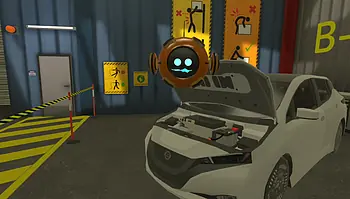
Virtual simulations solve this issue by providing a controlled environment where teams rehearse workflows, test decisions, and anticipate outcomes before work begins. By interacting with dynamic scenarios that replicate job-site conditions, employees gain clarity on hazards, dependencies, and timing. Managers identify conflicts, optimize schedules, and reduce uncertainty. Virtual simulation enables construction companies to plan and execute with confidence, rather than relying on assumptions.
Limitations of Traditional Construction Planning
The construction industry has historically relied on drawings, manuals, and on-site walkthroughs to prepare teams. While valuable, these approaches leave gaps that become visible only after projects are underway.
Shortcomings include:
- Static planning documents. Drawings cannot capture evolving site conditions or unforeseen hazards.
- Limited training opportunities. Workers often experience new equipment or safety protocols for the first time on site.
- Fragmented communication. Contractors, engineers, and managers may interpret plans differently, leading to delays.
- Costly trial and error. Mistakes discovered on-site are costly to correct and can impact the overall project delivery.
Virtual business simulation methods bring consistency and realism, replacing fragmented preparation with interactive, measurable rehearsal.
Core Advantages of Virtual Simulations in Construction
Unlike theoretical planning tools, virtual simulations recreate construction projects from start to finish, incorporating conditional feedback, role-specific logic, and measurable performance data.
A couple of benefits include:
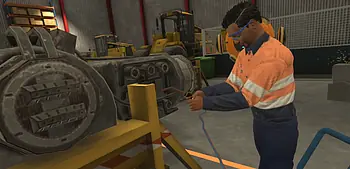
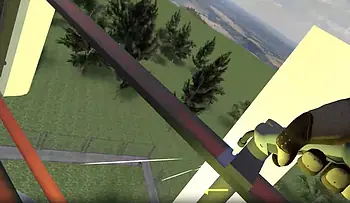
- Safer training environments. Employees practice working at heights, handling machinery, or managing heavy materials without risk.
- Process validation. Workflows can be tested digitally, reducing rework and downtime.
- Improved coordination. Teams experience how one decision, such as crane scheduling, affects downstream tasks.
- Scalable reach. Training and planning can be deployed simultaneously to global projects.
- Measurable readiness. Every action and decision is recorded, providing managers with performance insights.
Virtual simulations in the construction industry build preparedness that traditional approaches cannot achieve.
Types of Scenarios Commonly Simulated
Construction projects involve complex risks and dependencies. Virtual simulations adapt to many of them, including:
- Crane operation, signaling, and load management.
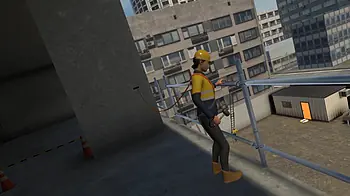
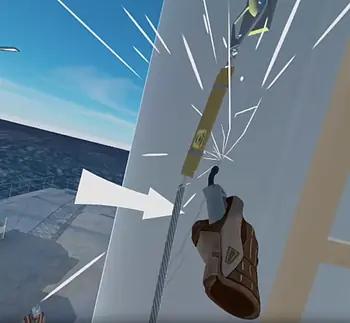
- Scaffold assembly, inspection, and fall prevention.
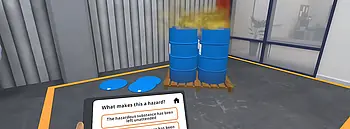
- Hazardous material handling in demolition or renovation.
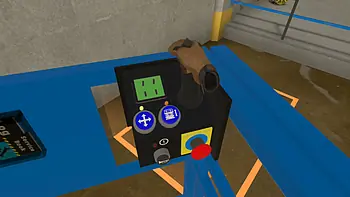
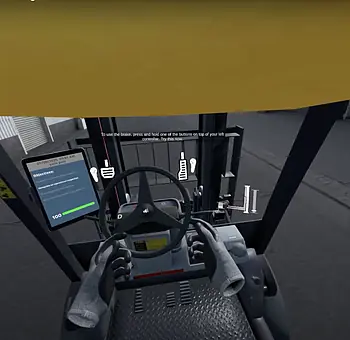
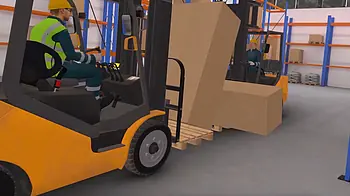
- Equipment operation for excavators, loaders, and lifts.
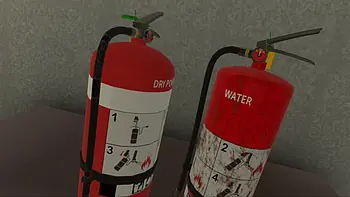
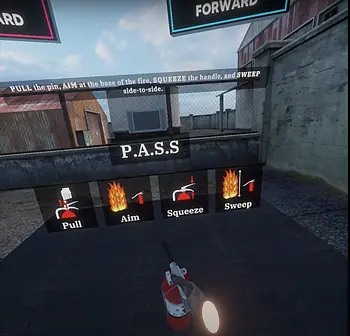
- Fire prevention and emergency evacuation drills.
- Cross-trade scheduling conflicts and resolution.
- Introduction of new workflows, systems, or safety protocols.
Each scenario reflects the realities of construction sites, ensuring that workers are prepared for actual conditions.
Enhancing Safety with Virtual Simulation
Safety remains the top concern in the construction industry. Falls, struck-by incidents, and equipment failures remain leading causes of injury and delay. Paper-based safety training or occasional toolbox talks rarely instill the practical skills needed for high-risk environments.
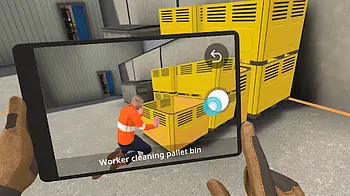
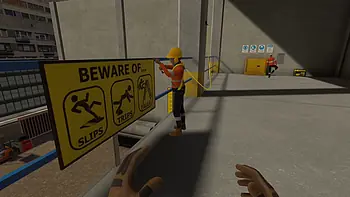
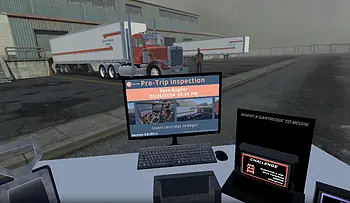
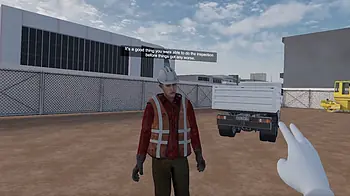
Virtual safety simulations immerse employees in lifelike conditions where they must recognize hazards, follow protocols, and make decisions under time pressure. Workers practice scaffold inspection, PPE compliance, or hazard recognition in environments that mirror their real projects. Mistakes carry no physical consequence but provide immediate feedback, ensuring lessons are absorbed before actual work begins.
Repeated exposure improves confidence, awareness, and reflexive compliance with safety standards. Over time, this reduces accidents, claims, and project interruptions.
Planning and Coordination Through Simulation
Beyond individual safety, construction success depends on coordination. Delays in one trade often cascade, causing significant cost overruns. Virtual simulations offer a shared platform where multiple teams collaborate on the same construction project model, each from their unique perspective.
For example, electricians, plumbers, and HVAC contractors rehearse workflows in sequence, identifying clashes in scheduling or access. Supervisors visualize crane logistics, delivery timing, and site restrictions. Managers test escalation paths for unexpected events, such as supply shortages or weather disruptions. By aligning perspectives, virtual business simulations prevent misinterpretation and create a common understanding of goals and constraints among all project participants.
Process Optimization Without Physical Trials
Testing a new process or method directly on a construction site involves substantial risk. If the approach fails, projects lose time, money, and possibly safety performance. Virtual simulations enable the evaluation of new workflows in a digital environment before implementation.
Engineers can test material substitutions, evaluate construction sequencing, or assess the impact of new equipment on the project. The digital model provides realistic outcomes, enabling teams to refine their processes before deployment, which prevents waste, optimizes schedules, and ensures smoother on-site execution.
Role of Digital Twins in Construction
Digital twins extend virtual simulation by creating live, data-driven replicas of construction sites or equipment. By combining process models with IoT sensors and project data, digital twins allow managers to simulate future scenarios, monitor real-time conditions, and predict outcomes.
In the construction industry, this means leaders can:
- Test the impact of equipment downtime on schedules.
- Forecast delays caused by weather events or material shortages.
- Optimize resource allocation across trades and subcontractors.
- Simulate building performance under operational loads.
Digital twins transform static plans into living, adaptive systems that evolve alongside the project.
Measuring Performance and Readiness
Unlike traditional training or planning exercises, virtual simulations generate structured data that informs decision-making. Metrics typically include:
- Time taken to complete simulated tasks.
- Accuracy of decision-making under pressure.
- Compliance with established protocols.
- Communication effectiveness across teams.
- Comparative performance across departments or sites.
Leaders gain clear visibility into team readiness, individual competencies, and systemic weaknesses. Insights from simulations guide targeted retraining, process adjustments, or resource allocation, ensuring that issues are resolved before they affect live construction projects.
Scaling Simulation Across Global Projects
The construction industry is global, with firms often managing multiple projects across different geographies. Delivering consistent preparation across such a dispersed workforce is challenging.
Virtual simulation eliminates these barriers by providing remote, on-demand access. Workers and managers across regions train on identical scenarios, ensuring consistent standards of safety and performance. Scenarios can also be localized to reflect regional codes, languages, or site-specific risks while maintaining a unified framework for measurement. As a result, construction firms scale readiness quickly without the cost of repeated in-person sessions.
Integrating Simulation into Business Continuity
Construction projects often face disruptions beyond their control, such as supply chain breakdowns, extreme weather, or unexpected regulatory changes. Virtual business simulations help companies integrate risk management directly into their operations.
By simulating potential disruptions, leaders can observe how teams respond, how delays escalate, and identify the most effective adjustments. Lessons learned during simulations translate into stronger continuity plans, enabling construction projects to resume quickly after disruptions.
Implementing Virtual Simulation Programs
Organizations adopting simulation in the construction industry typically follow phased steps:
- Define goals. Clarify whether the focus is safety, coordination, process optimization, or continuity.
- Select scenarios. Begin with high-risk or high-impact situations such as crane operations or emergency evacuations.
- Develop content. Align simulation flows with standard operating procedures and project requirements.
- Deploy at scale. Provide access across sites and shifts with clear participation requirements.
- Measure and refine. Use analytics to identify gaps and adjust scenarios accordingly.
- Expand coverage. Introduce additional scenarios, regional customizations, and integration with live project data.
This structured approach ensures that simulations remain relevant, measurable, and sustainable.
Long-Term Advantages for the Construction Industry
Over time, the adoption of virtual simulation transforms organizational performance. Key outcomes include:
- Reduced accidents. Safety rehearsal lowers incident rates and claims.
- Improved efficiency. Process optimization cuts delays and rework.
- Cost savings. Preventing errors and downtime reduces overall project costs.
- Higher client confidence. Demonstrable preparation enhances trust and credibility.
- Institutional knowledge retention. Simulation preserves procedures for onboarding and training.
- Faster innovation adoption. New methods or technologies are tested virtually before use on-site.
The advantages outlined above position construction companies for long-term competitiveness and resilience.
Building a Culture of Preparedness
The greatest contribution of virtual simulations is cultural. Instead of reacting to problems as they arise, organizations instill habits of structured rehearsal and proactive coordination. Employees view safety and efficiency as ongoing practices, not merely compliance checkboxes.
Managers rely on evidence-based insights rather than assumptions. Leadership gains confidence in project delivery, knowing that every team member has already rehearsed key scenarios. Over time, this culture of preparedness reduces risk, improves morale, and strengthens every stage of project execution.
Conclusion
The construction industry is defined by complexity, interdependence, and high stakes. Traditional training and planning methods leave critical gaps that can result in injuries, delays, or costly rework.
Virtual simulations close those gaps. They allow employees to practice safely, managers to validate processes, and leadership to make evidence-based decisions. From safety training to process optimization and business continuity, simulation provides a scalable, measurable, and cost-effective solution.
By integrating virtual business simulation into construction projects, organizations replace assumptions with tested action. Risks are reduced, schedules are met, and outcomes are optimized.
Found 45 results